Are Piano Lessons Worth It? What Parents Really Get in Return
Let’s be honest.
When you sign your child up for piano lessons, you’re not secretly hoping they’ll headline the Royal Albert Hall next year.
You’re hoping it’s worth the time.
Worth the effort.
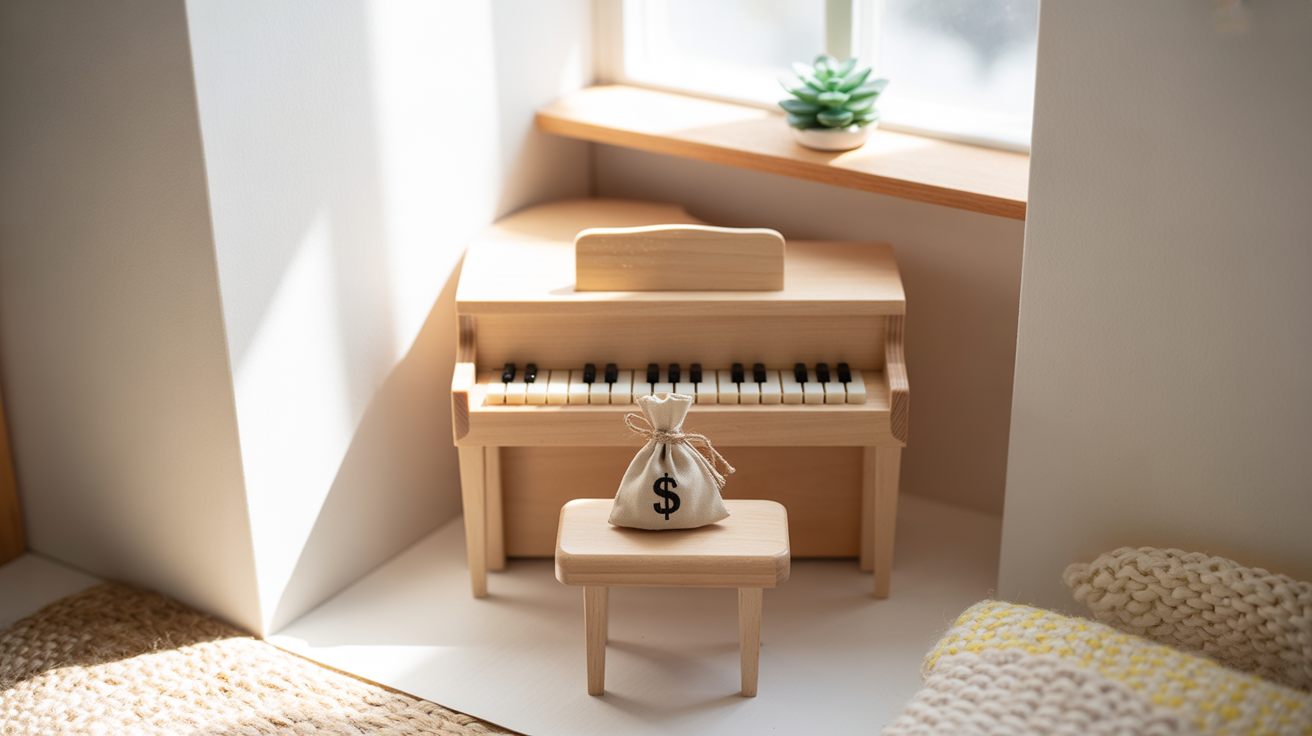
Worth the money.
So what do parents of 4–9 year olds really get in return?
Quite a lot, actually.
1. A Brain Workout (Without Them Realising)
At this age, children’s brains are developing rapidly. Piano is like a full-body gym session for the mind.
They’re:
Reading symbols
Listening carefully
Coordinating both hands
Spotting patterns
Fixing mistakes
That’s multitasking at Olympic level — and they think they’re just learning a song.
Research consistently links music education to improvements in memory, focus and early maths skills. Many parents notice better listening at school too.
No promises it’ll stop the selective hearing at bedtime… but it helps.
2. Confidence That’s Actually Earned
Confidence doesn’t grow from being told “well done” 47 times a day.
It grows from progress.
When a child struggles with a piece… then suddenly plays it smoothly a week later — something shifts.
They realise:
“Oh. I can improve at things.”
That belief spreads. Into schoolwork. Into sports. Into friendships.
At Piano Labs, lessons are structured around small, steady wins. Children can see themselves improving — and that’s where real confidence begins.
3. Focus in a World of Distractions
Let’s be honest — children today have a lot competing for their attention.
Piano slows things down.
It teaches:
Patience
Repetition
Sticking with something tricky
Delayed gratification
In a world that often rewards speed, piano quietly rewards patience.
That ability to sit with something challenging is a skill that pays off everywhere — especially in school.
4. Resilience (a.k.a. “Trying Again Without Melting Down”)
Mistakes happen constantly in piano lessons.
Wrong notes.
Wrong rhythms.
Wrong fingers.
And that’s the point.
Children learn that mistakes aren’t disasters — they’re information. They try again. They improve. They move on.
That’s resilience in action.
And honestly? That’s worth more than perfect scales.
5. A Lifelong Skill
Here’s something interesting.
Most childhood activities are seasonal. Football boots get outgrown. Dance costumes get packed away.
But piano? That stays.
Even years later, being able to sit down and play something recognisable is a quiet superpower.
It becomes:
A creative outlet
A way to unwind
A social skill
A personal confidence boost
Very few adults say, “I wish I’d never learned piano.”
Quite a few say, “I wish I’d stuck with it.”
So… Is It Worth It?
If you’re expecting instant genius or effortless practice sessions every single week — probably not.
Children are still children.
But if you’re looking for:
Better focus
Growing confidence
Improved resilience
Cognitive development
A skill they can carry for life
Then yes — piano lessons are often worth far more than the monthly fee suggests.
Because you’re not just paying for music.
You’re investing in who your child becomes.
And that’s a return most parents are very happy with.